

Shristi arrived in Australia on a student visa in 2013. After obtaining a full scholarship to Macquarie University in Sydney, she left behind her life in Nepal to start afresh.
While she anticipated most changes, there were a few unexpected markers of culture shock. She once thought she was ill because her snot had gone from black and hard—due to the pollution in her hometown of Kathmandu—to clear. She often laughs about how the small, odd, and obscure familiarity of certain things like this can make a place feel like home.
In 2020, Shristi completed her law degree and was set to practice. When she started studying, there were avenues for her to apply for permanent residency in Australia. By the time she had graduated, the requirements had changed, and her future in the country became unclear.
We discussed how she could become a librarian to obtain a visa, researched regional cities, and joked about falling in love and getting married within a few months.
Her dry eyes cried about the future she fought to have, and her newly developed skin conditions showed the stress she was under.
Her dry eyes cried about the future she fought to have, and her newly developed skin conditions showed the stress she was under.
For the next few years, she swam in the ocean, comparing it to how the mountains in Nepal made her feel at home. Finally, in 2024, she obtained her permanent residency.
This photo essay details the journey of a migrant going home to the Himalayas for the first time in 12 years. It captures the subtle Australian characteristics that have become a part of her being.
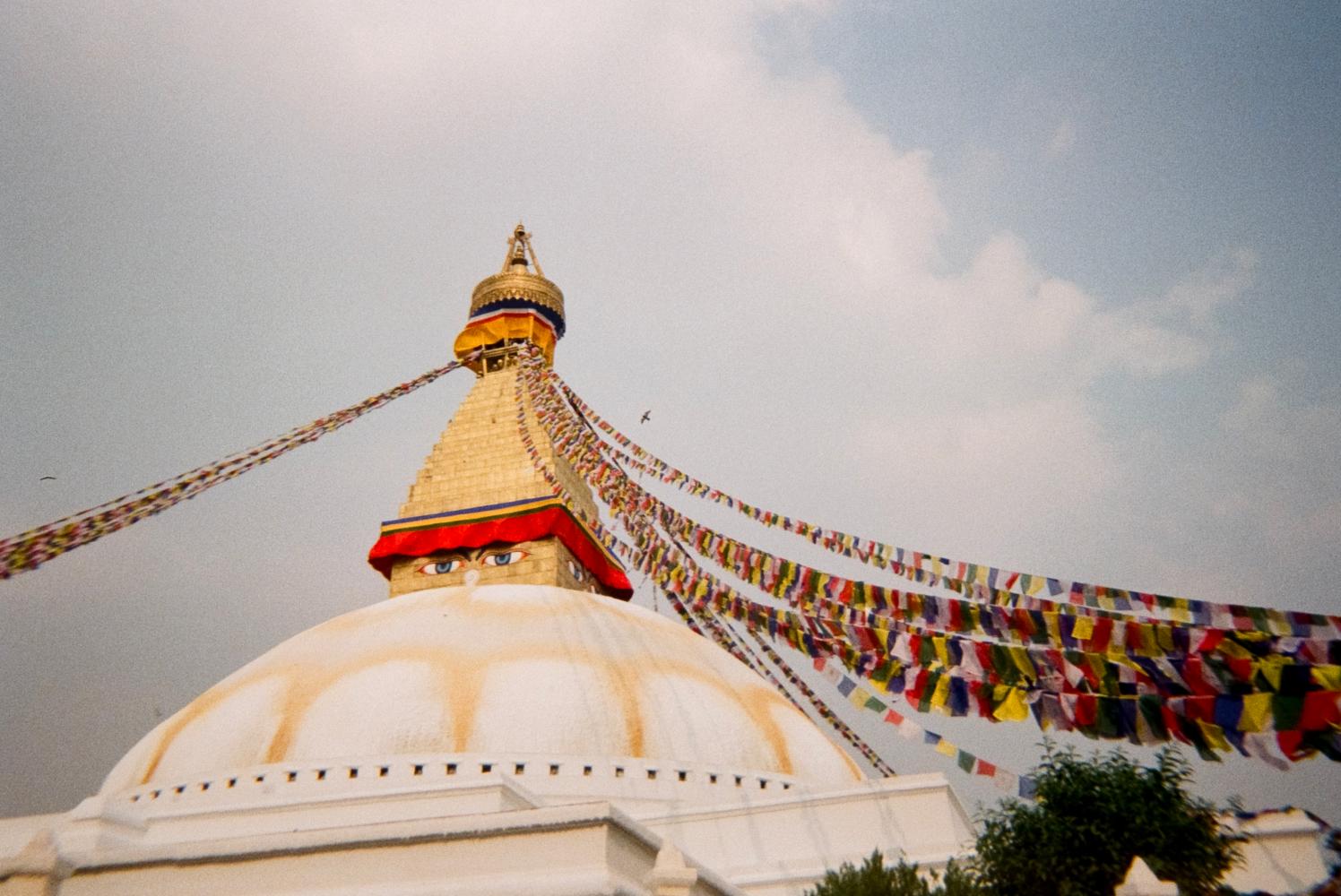
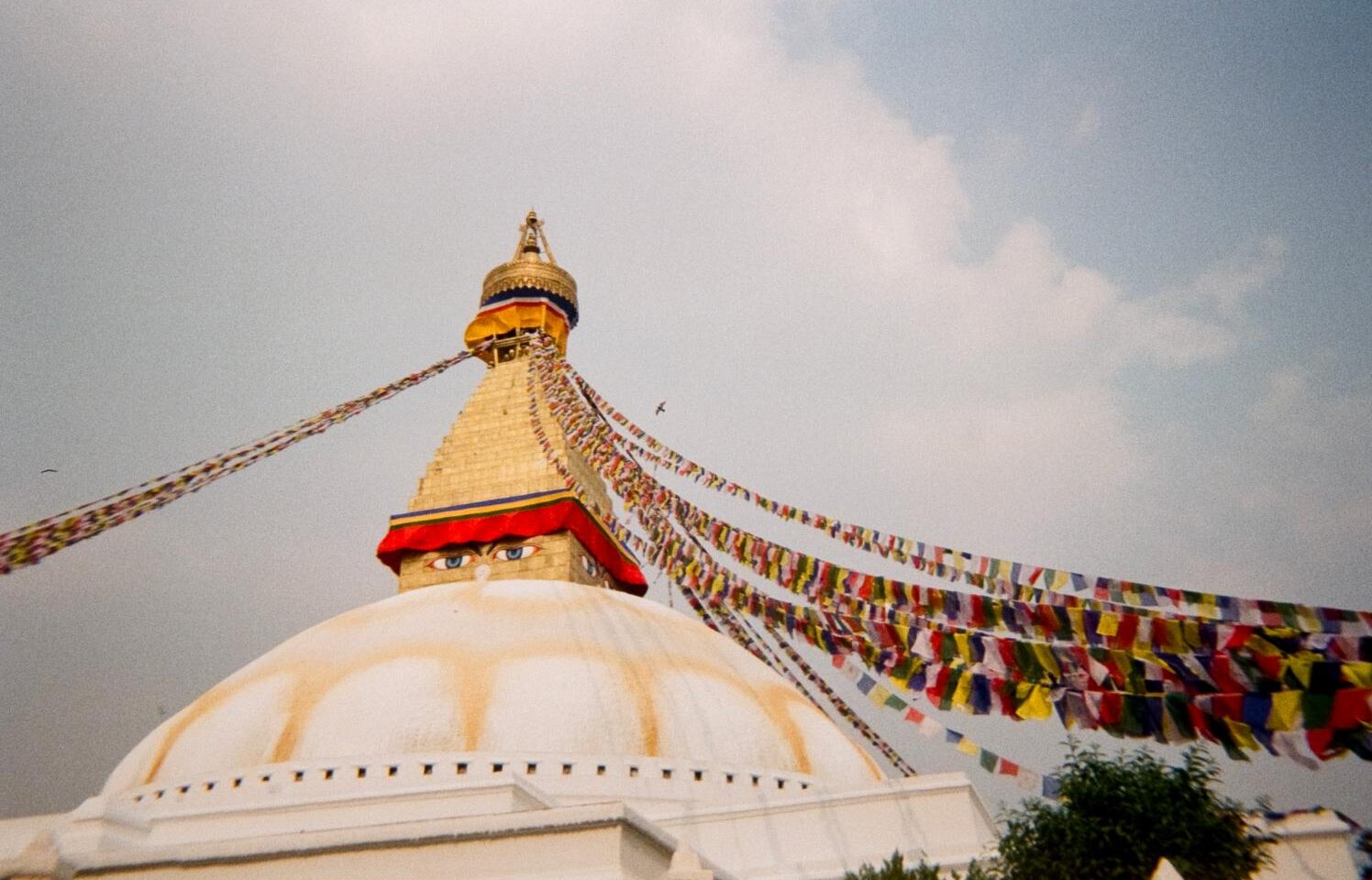
“‘Om Mani Padme Hum’ – a six-syllable Sanskrit mantra chanted throughout the day that one never tires of listening to.
The first time I entered Bouddha [one of the oldest Stupas, or shrines, in Nepal] my entire state of being changed … a deep calm and peace flooded my body.
It’s almost an immediate effect every time I set foot here.
Bouddha showed me the power and beauty of mantras and the accessibility of inner peace within myself.”
“Ama, my mother, is the greatest example of kindness, resilience, and self-sacrifice. Living so far away from home, she often makes me wonder whether I should pack up and go back, but I know my parents want me to live my life as I am now in Australia. I am quite lucky to have two homes I love deeply.”
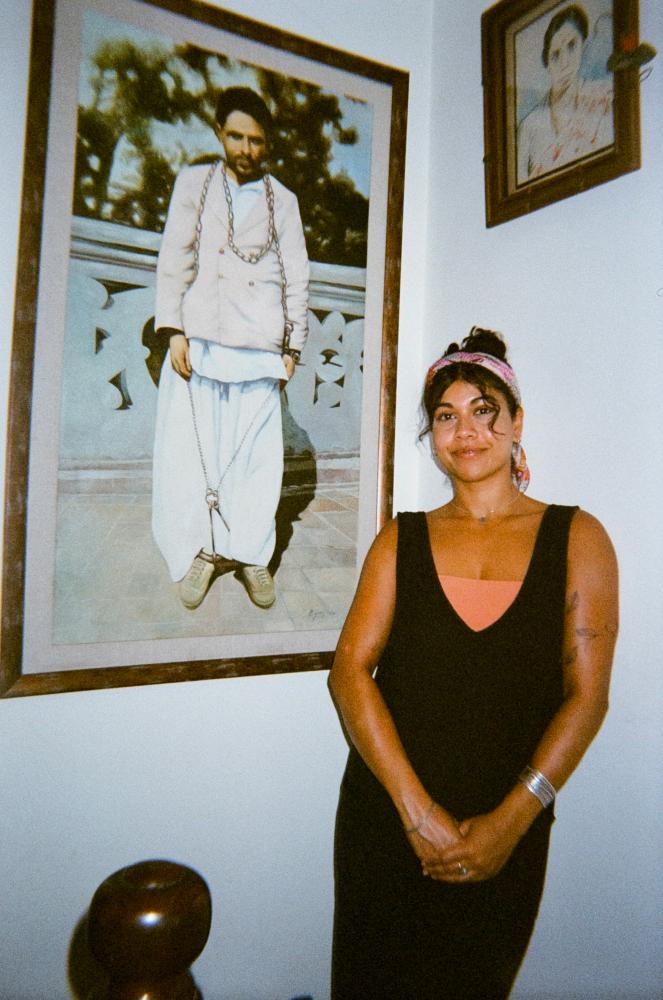
“My grandad is a revolutionary figure in Nepal’s history. Also known as the ‘Living Martyr’, he and his four friends fought for a constitutional monarchy and democracy in the 1940s.
Grandad went to jail for just over ten years in his fight against the autocratic Rana regime.
When the revolution overthrew the Ranas, the King appointed him as the Prime Minister of Nepal in 1956.
As his granddaughter, his passion for human rights has passed down to me in this life. If I can accomplish a small fraction of what he accomplished, I will have done a great service to this world.”
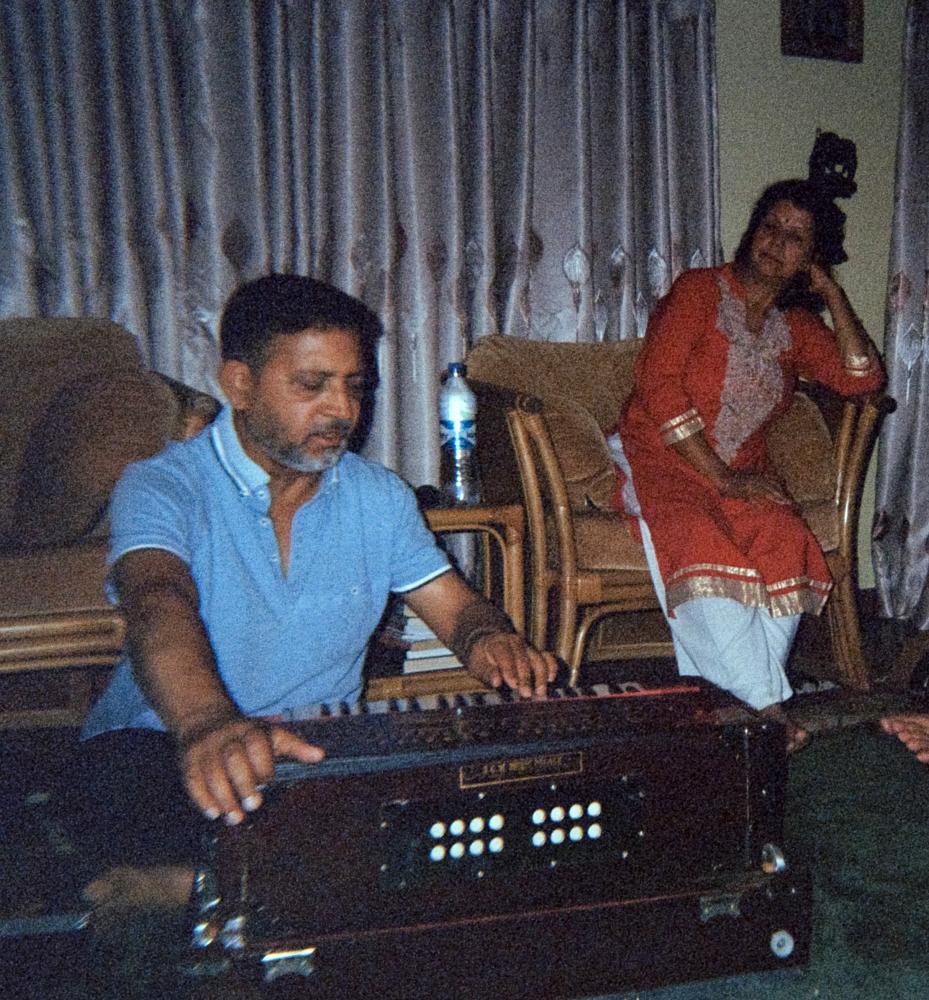
“Ama, my mother, is the greatest example of kindness, resilience, and self-sacrifice.
Living so far away from home, she often makes me wonder whether I should pack up and go back, but I know my parents want me to live my life as I am now in Australia.
I am quite lucky to have two homes I love deeply.”
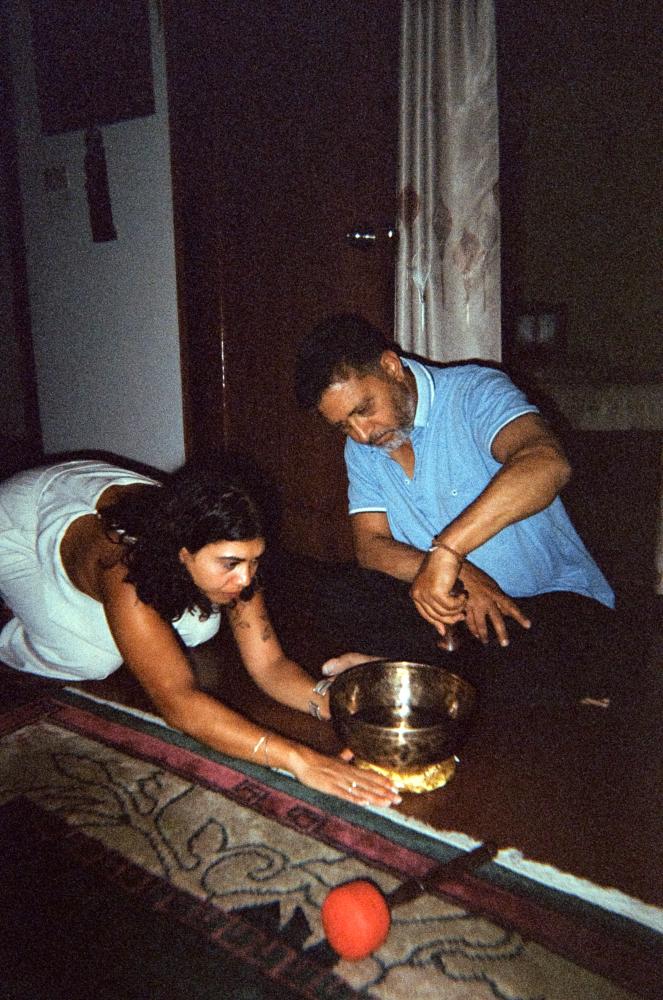
“My parents never fail to fascinate me.
Baba’s depth of wisdom and spiritual knowledge is my most prized possession. His endless hobbies in his retired life serve as constant reminders that it’s never too late to start anything new.”
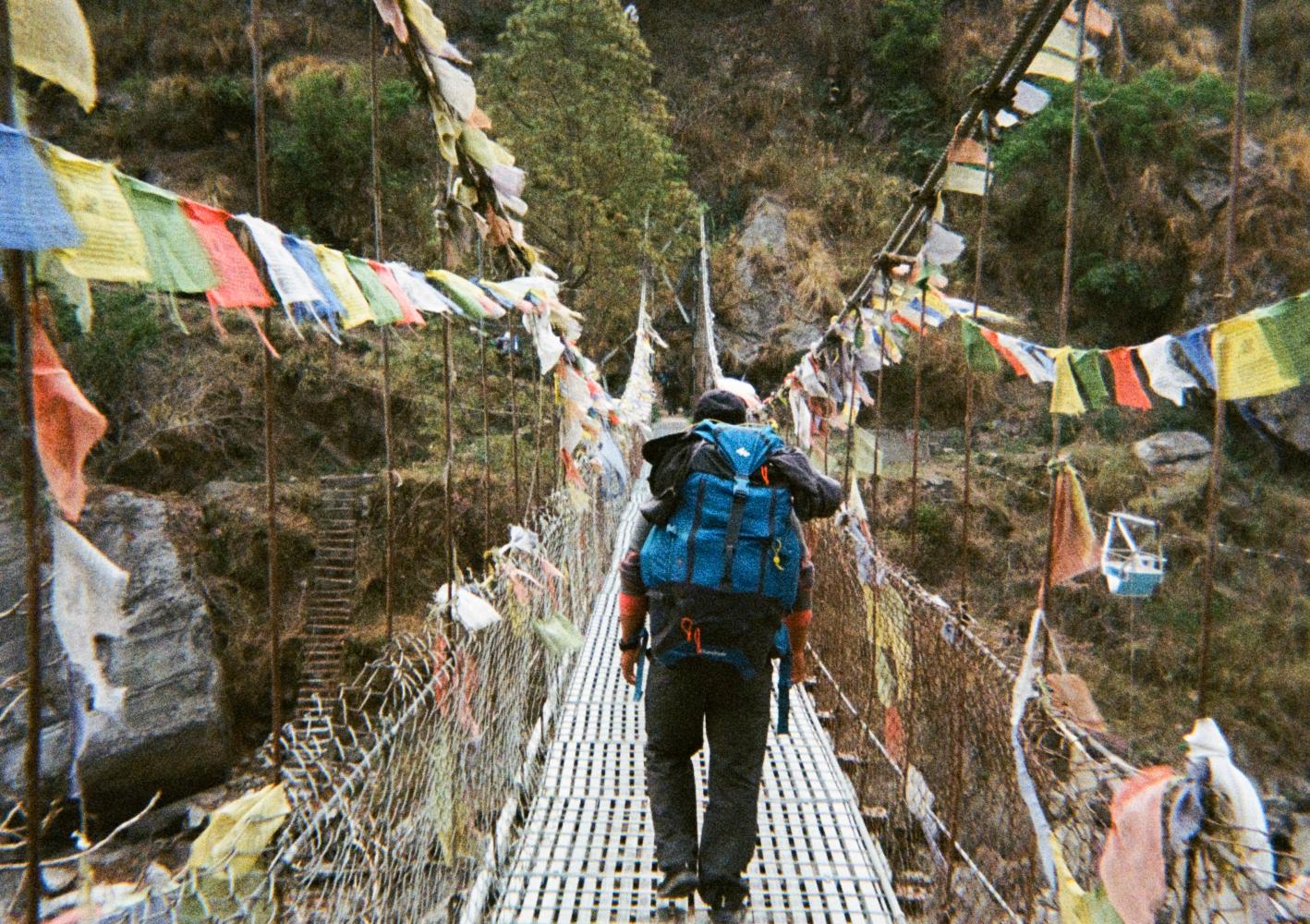
“My mountains are with me wherever I go in this life.
Every year, Baba would organise a hike, and together, we explored the base of over seven mountain ranges.
These are the memories I think of when I’m homesick.”

“I remember passing through these villages with my family when I was younger.
It brings me so much joy to have my friends join me on this hike, but I can’t help thinking about how I am not able to do this hike with my parents like I did before.
While the mountain looks the same, my life has changed so much since I was last here.”
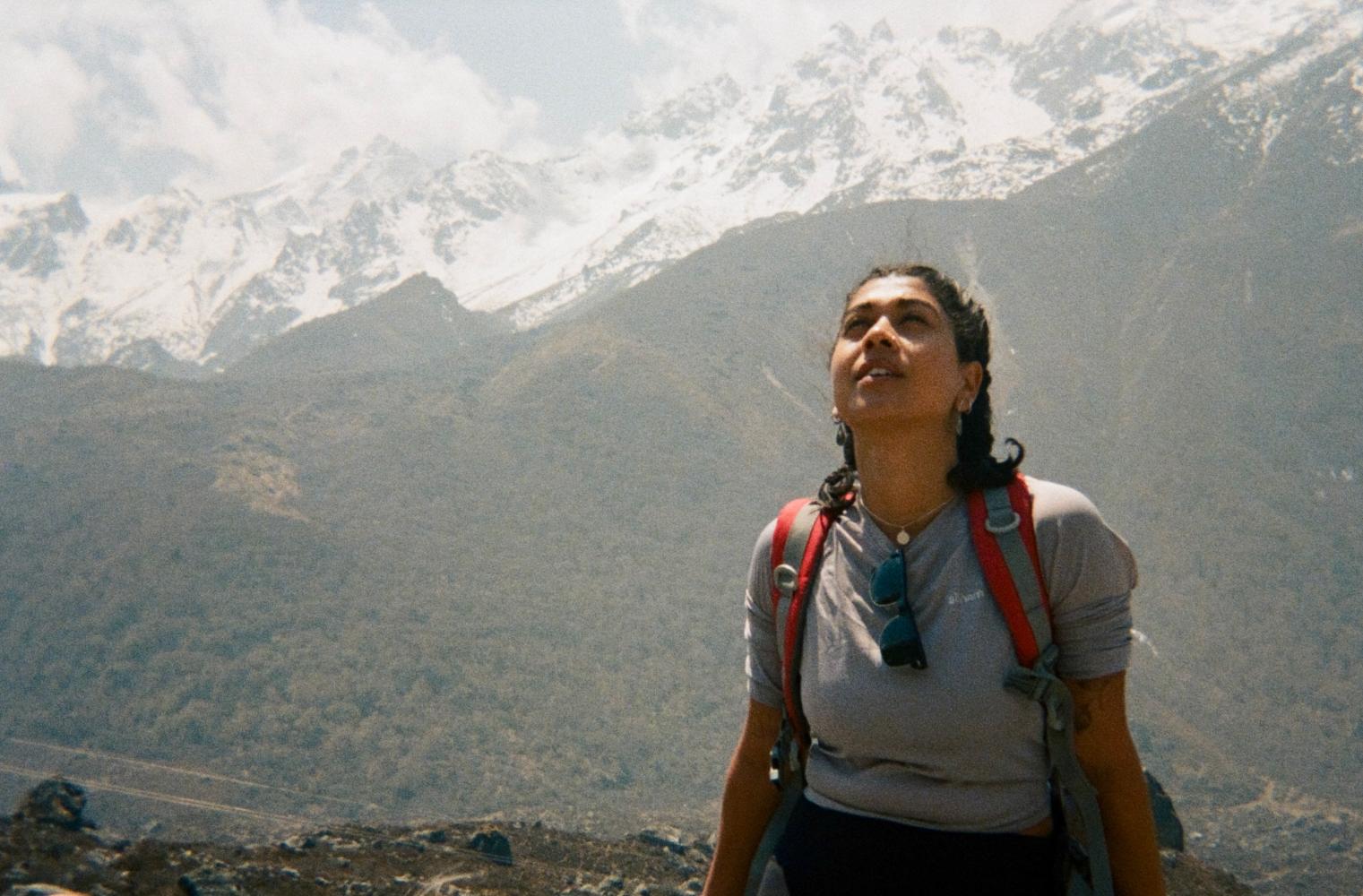
“I will never forget seeing the Himalayas for the first time.
My whole body naturally wanted to bow down, show my respect, and be silent in the presence of something much larger than this life.
At this moment, every problem playing in my mind disintegrated into insignificance.”
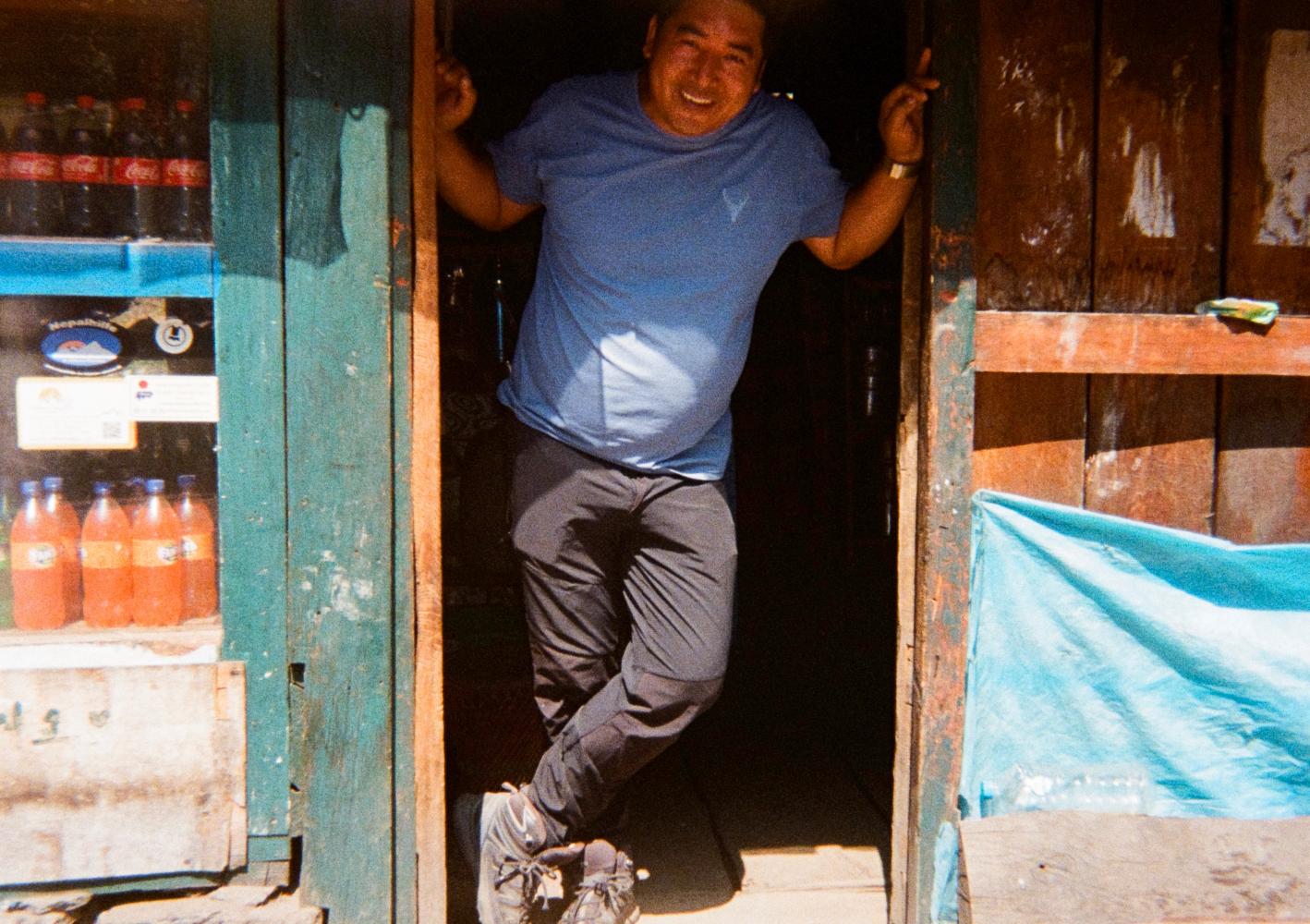
“The people and the villages up in the mountains taught me invaluable lessons. It’s inspiring to see them smile—with genuine sincerity—in the face of adversity.
Dawa, pictured, lost his home in the 2015 earthquake. Despite his hardships, he and the other guides taught us to sing and dance from the soul. Most importantly, they reminded us that happiness is truly a state of mind.”

“It’s a place where Nepalese traditions and Tibetan culture merge.
Pictured, you can see our guide wearing Dhaka topi, our traditional hat, while sitting in front of the Tibetan flags. Some of my favourite memories are here, sipping traditional tea and snacking on Whittaker’s chocolate.”
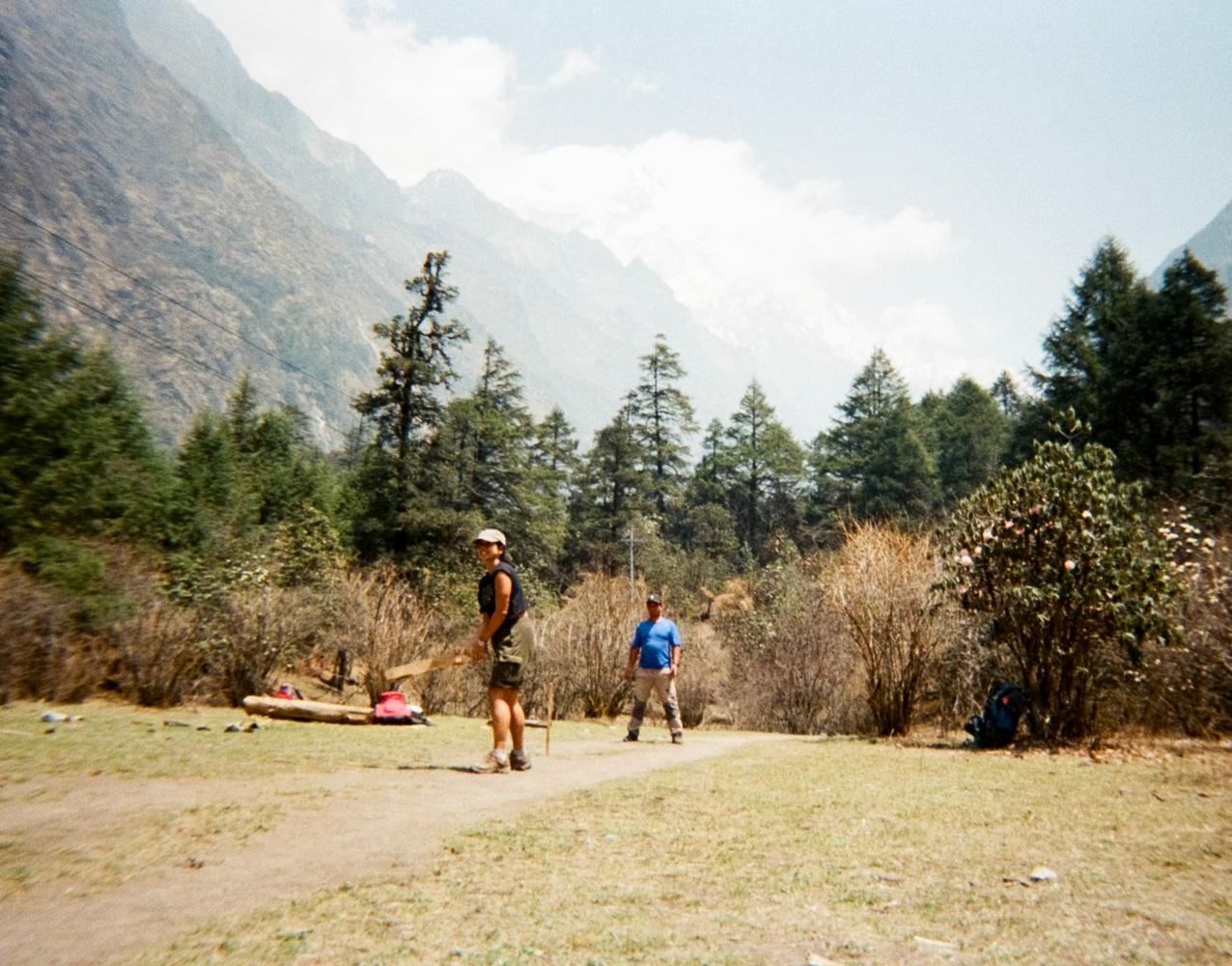
“This image of an impromptu game sparked by a wood plank symbolises both places I call home.”
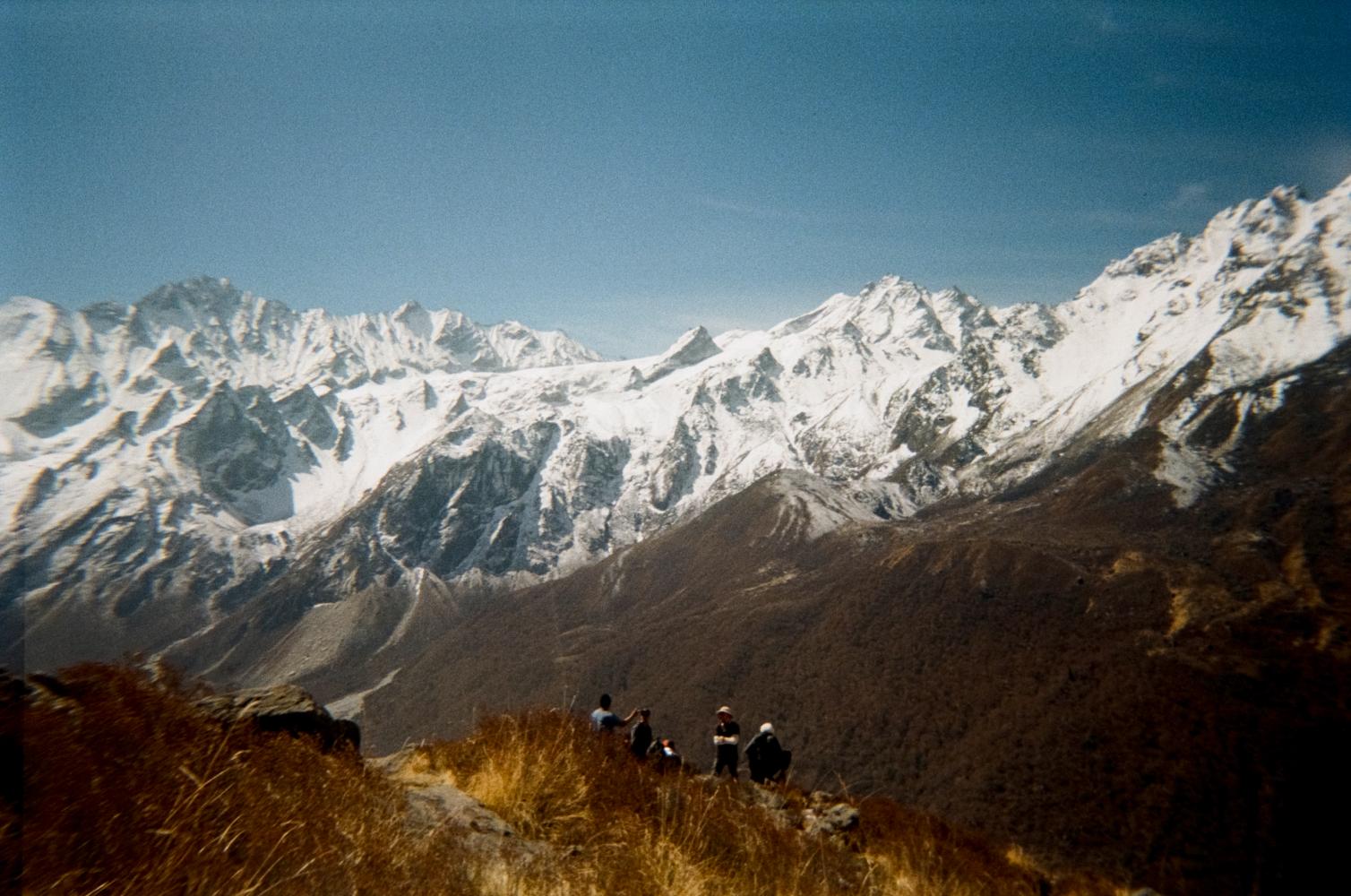
“The mountains always remind me how small I am in this world. It helps centre me and ground my busy mind from the stress of the cities. I never thought I would see my Australian friends in this landscape.
It makes me feel a sense of connection I didn’t anticipate.”
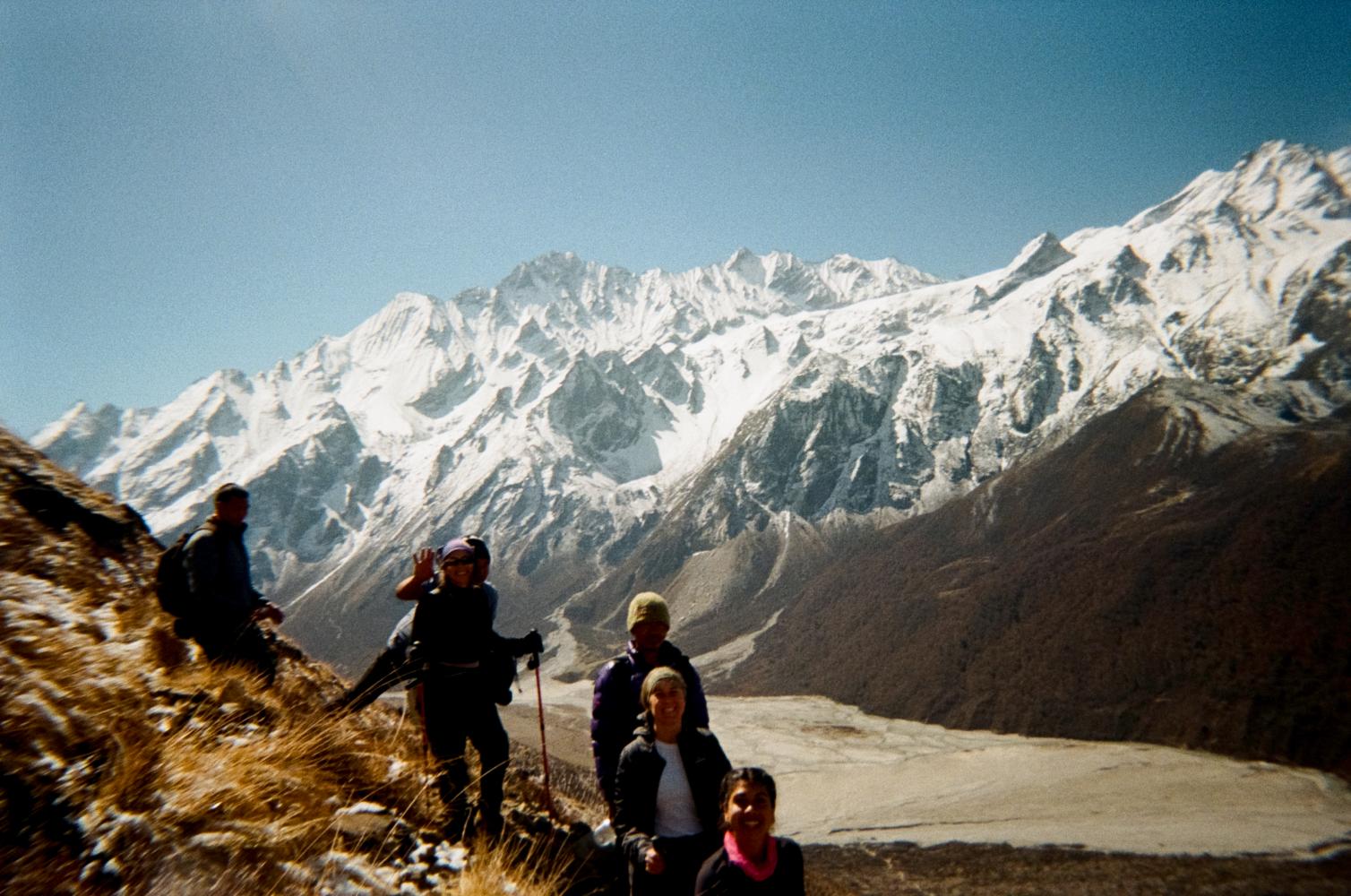
“It snowed the night before we went to the viewpoint.
We were all out of breath on the way up due to the altitude. On the way back, my friends and I spent the whole time throwing snowballs at each other. The group, including the guides, struggled to breathe from laughter.”
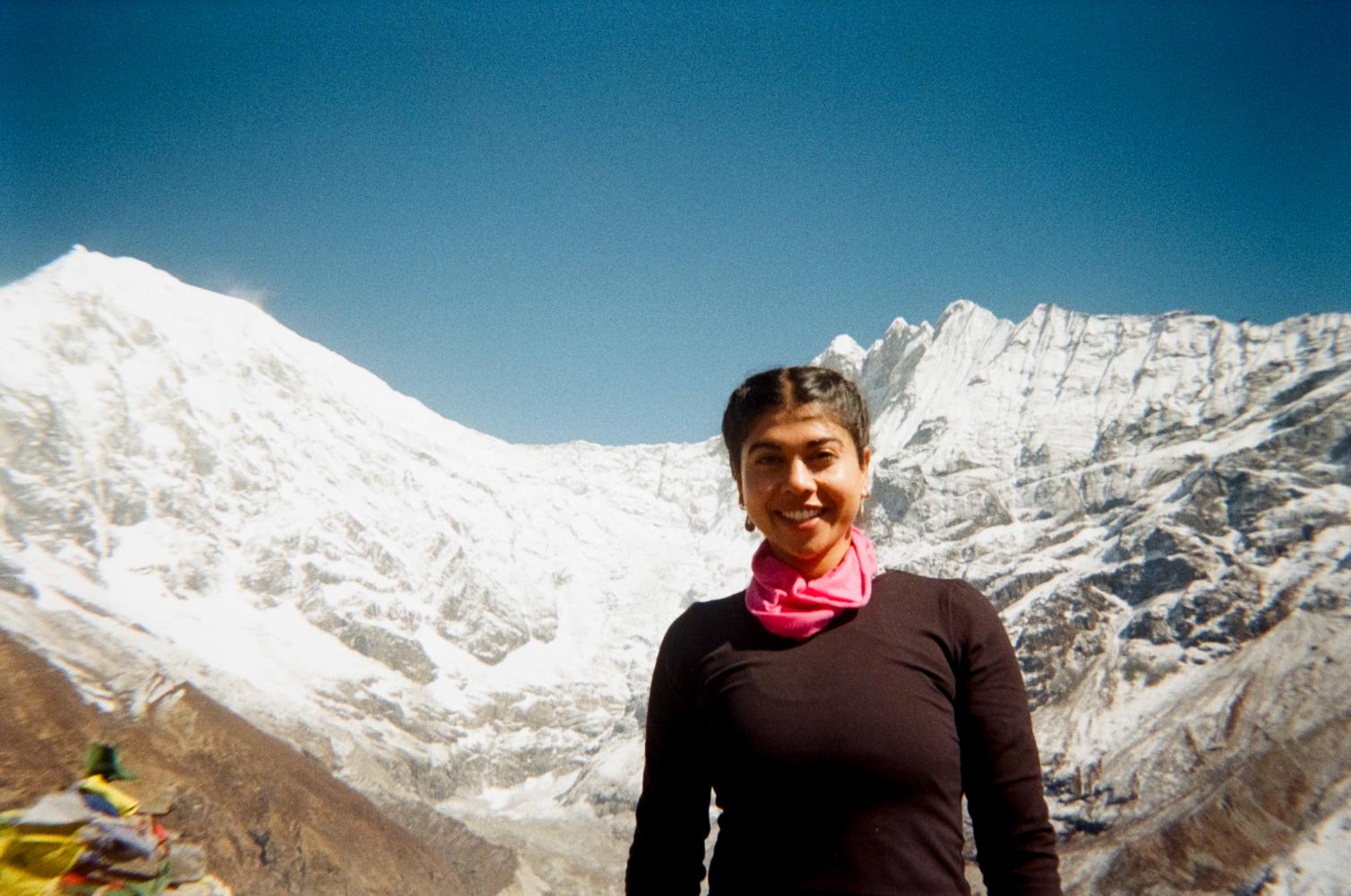
“Nobody has ever summited Langtang.
Some have tried and failed, others have tragically died trying to do so.
For me, it speaks to the power of the mountains.
I feel privileged to have reached our summit of 4400 kilometres above sea level. After four days of ascending, with my friends by my side, the things I have always prayed for have come together.”
Baba* – Father
This story was supported by Diversity Arts Australia’s StoryCasters program in partnership with The New Point Magazine. The views expressed within this story do not necessarily reflect the views of Multicultural NSW.
Explore other topics —
Other articles you might like...
View all
A big part of the reason why the Hyderabadi Muslim community struggles with accepting mental health as a valid health concern is due to its cultural stigmas and religious misconceptions it has deemed to be...
Can cultural traditions keep pace with modern life? In multicultural Sydney, Greek and Polish youth navigate a journey of belonging, blending heritage with contemporary life. This video explores how they bridge the past and present...
Abhishek Gurjar talks to cricketer Anushka Dongre about her start in cricket, how she deals with sledging, and the magic of the game.
