

“Although I was raised here [in Australia], my heart was grieving alongside Nepal.”

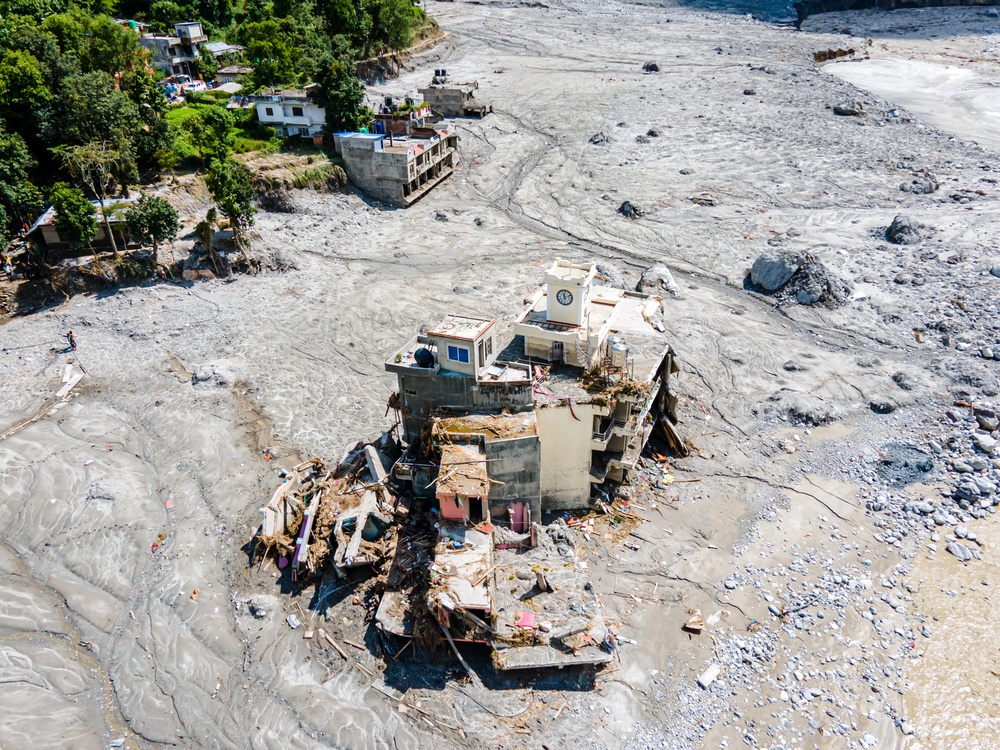
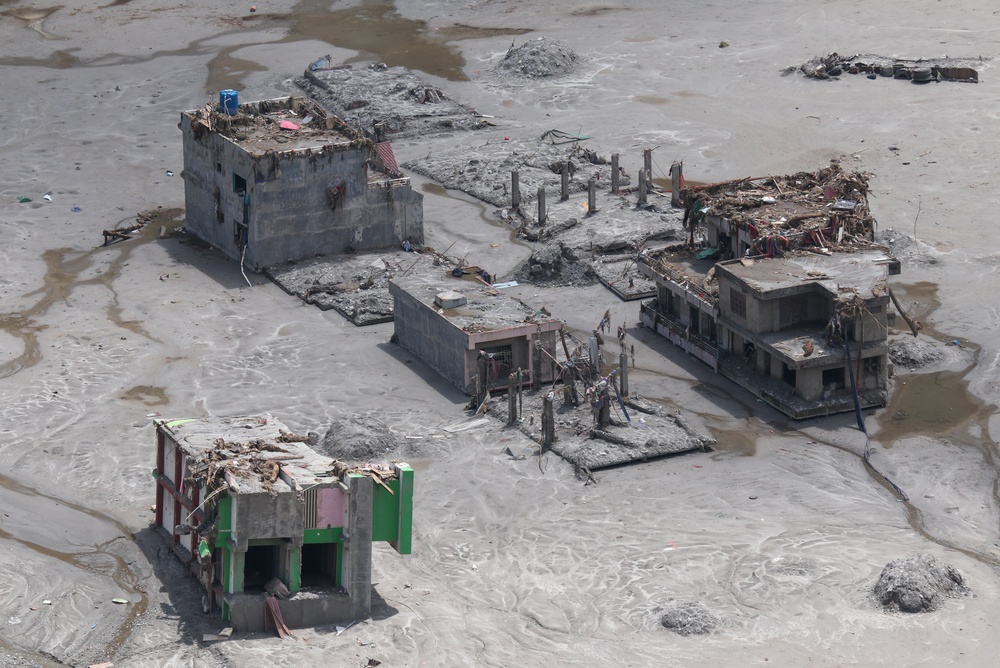
For Era Sharma, a 21-year-old Nepalese Australian who grew up in Sydney, the devastating floods in Nepal in August, which left more than 1,400 people dead and more than 5,000 missing, felt painfully close despite the distance.
“We were watching what was happening almost live through our phones. Seeing homes disappear, families searching for loved ones and entire communities affected,” Era said.
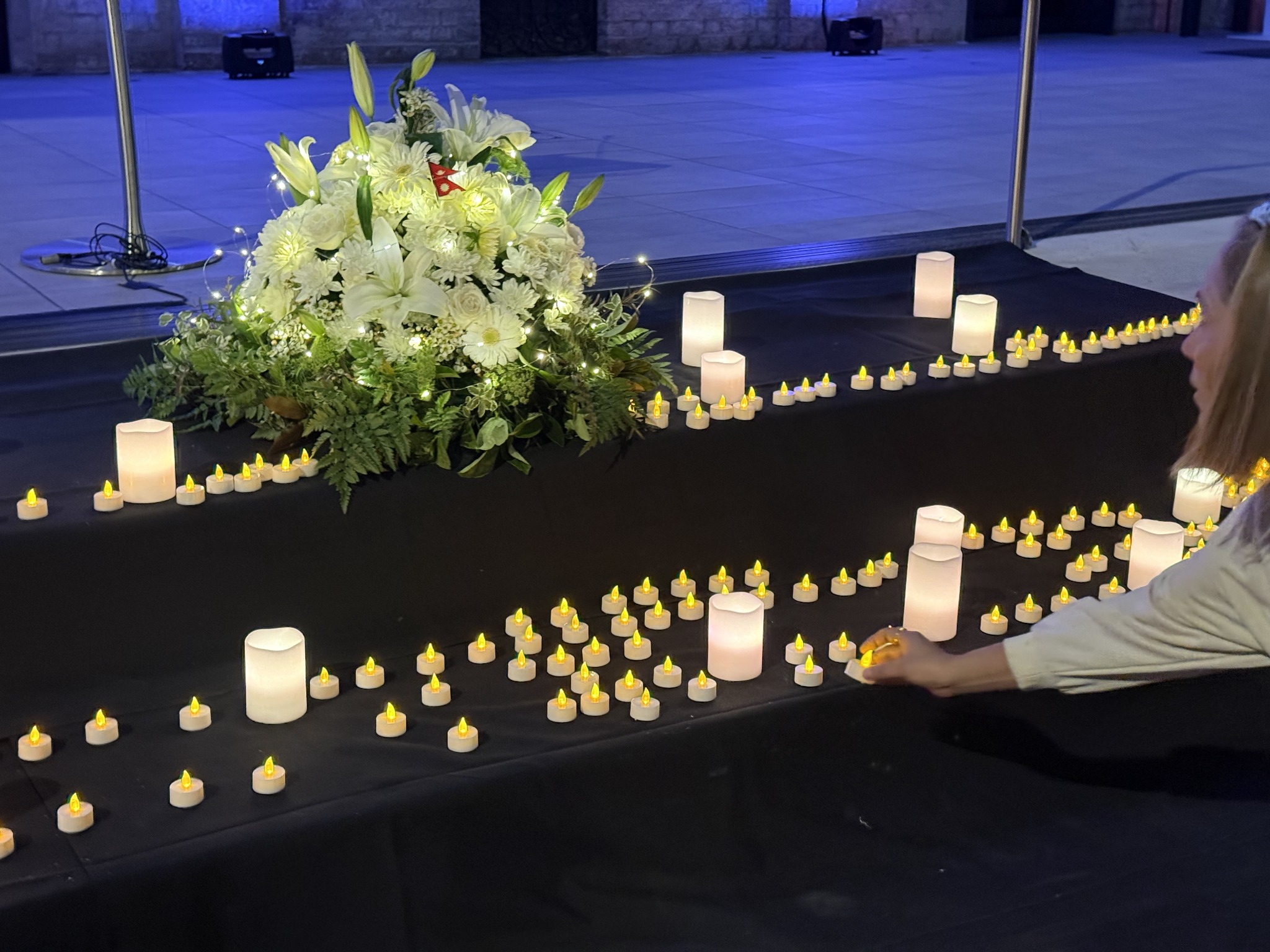
Speaking at a candlelight vigil in Hurstville, hosted by Georges River Council in collaboration with the Nepalese Australian Association, Era reflected on the strong connection many young Nepalese Australians feel to their family’s homeland.
For her, the response reflects a broader shift in how young Nepalese Australians are connecting with their cultural heritage and taking on leadership roles in their community.
“Our community has changed significantly over the past 20 years,” Era, who is studying at the University of Sydney, said.
“There is now a generation of young Nepalese Australians who have grown up here, gone through Australian schools and universities, and are entering professional fields.”
“There is now a generation of young Nepalese Australians who have grown up here, gone through Australian schools and universities, and are entering professional fields.” –Era Sharma, 21-year-old Nepalese Australian
At the same time, they are increasingly getting involved in Nepalese community organisations, volunteering and taking on leadership roles.
That commitment has been evident in the response to the floods, with young people organising community initiatives, fundraising and using social media to raise awareness. Some have even donated part of their savings to help people they have never met.

The Nepalese community in NSW has seen significant growth in recent years. Between 2016 and 2021, Nepali was the fastest-growing language in NSW by percentage increase. By the 2021 Census, more than 68,000 people in NSW spoke Nepali at home.
Across NSW, Nepalese communities have mobilised to support those affected by the disaster, raising funds, helping grieving families and connecting people with support.
Usha Kiran Bariya, NSW State Coordinator of the Non-Resident Nepali Association (NRNA Australia), said the disaster had brought together people from across Nepal’s diverse cultural and regional communities.
“Right now, we’re not thinking about which part of Nepal you come from, just that we are Nepali and we need to support our community,” she said.
Working with its national and international networks, NRNA raised around $94,000 for Nepal’s Prime Minister’s Relief Fund. Its international volunteers also travelled to affected areas to identify what assistance was needed.
The Nepalese Australian Welfare Society (NAWS) launched a GoFundMe campaign and worked with other organisations to coordinate donations and share reliable information.
Its president, Chiran Tiwari, said coordinating assistance through trusted channels was important to ensure support reached those most in need.
Nepalese-Australians: a growing community
The Nepalese Australian community continues to grow and in the state of NSW, community members use a combination of both English and Nepali.
- Between 2016 and 2021, Nepali was the fastest-growing language in NSW proportionately, increasing by 95.8%, or 29,255 speakers.
- In 2021, 68,148 people in NSW spoke Nepali at home, representing more than half of all Nepali speakers in Australia.
- 90.5% of NSW’s Nepali speakers lived in Greater Sydney.
- 93.8% spoke English well or very well.
- There are 38, 984 Nepalese international students in NSW. 3,151 are new students and 35,563 students are continuing.
The response has extended across NSW, where Nepalese communities have established networks in regional centres including Dubbo, Bathurst, Orange and Newcastle.
Usha said young Nepalese Australians were also creating opportunities for connection through community gatherings, running clubs and social media, helping people find support and a sense of belonging.
Beyond fundraising, community organisations have been helping people cope with grief, isolation and financial uncertainty.
Usha recalled supporting a man living in Sydney’s south-west whose wife went missing during the flooding. At the time of writing, her body had not been found, and their two young children are living in Sydney.
For families like his, community organisations have become an important source of emotional and practical support as they face the pain of grief or, in the case of missing persons, the uncertainty of not knowing what happened to their loved ones.
Being born in Australia does not make Nepal any less a part of who we are.
Adding to the distress, some families of Australians missing in the floods were subjected to racist comments on social media, including posts questioning whether Australians from non-white backgrounds were ‘really Australian’.
Speaking to The Guardian in August, Chiran condemned the comments. “It is very hurtful and the families who are impacted feel really, really bad,” he said. “All of us are human.”
Chiran said NAWS was also providing counselling and other assistance to families who had lost loved ones.
For some Nepalese students in Australia, the disaster has created additional financial uncertainty.
Usha said students from the Rasuwa and Bhote Koshi areas had contacted her after their families lost income from hydropower facilities damaged by the floods.
Some now fear they will be unable to afford their studies or meet financial requirements when extending their visas.*
As the immediate emergency response gives way to rebuilding, community leaders are concerned about what happens when public attention moves elsewhere.
“Recovery does not finish after the immediate emergency,” Chiran said.
Affected communities will need ongoing assistance with housing, education, healthcare and rebuilding livelihoods.
In NSW, families grieving loved ones and students facing uncertain futures will also need continued support.
For Era, the response has highlighted how a new generation of Nepalese Australians is finding its own ways to support the country their families came from.
“It has shown that being born in Australia does not make Nepal any less a part of who we are.”
*International students affected by the Nepal floods are encouraged to contact their education provider directly to discuss any available hardship assistance, counselling, academic flexibility or payment arrangements. Students encountering legal issues can contact the free legal service for international students at the Redfern Legal Centre, funded by Study NSW.
Explore other topics —
Other articles you might like...
View all
When young Assyrian-Australians were asked what their community needed, two ideas rose to the top: somewhere safe to study after dark and somewhere to spend time together. This is how those ideas became Sip, Study,...
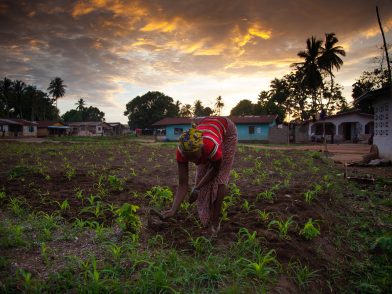
Distant relatives we couldn’t recognise told Fatema it was “your time”. The woman who cut Fatema was my aunt’s friend. The cutting took place in the middle of a noisy bush with the sounds of...
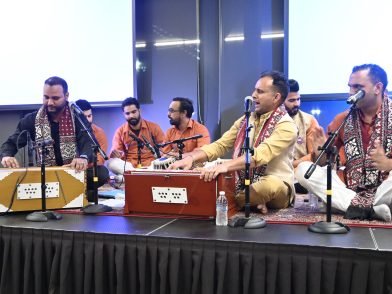
While religious divisions are deepening in India, music and poetry are helping to bring people together here in Australia.
